View Project
Advancing Sustainable Fashion: Scaling the Manufacturing of Mycelium-Based Bioleather
Status: New
Lab/Organization
| Name & address of the Laboratory/Organization | Indian Institute of Technology (IIT), Hyderabad | |
| Website address | https://www.iith.ac.in | |
| Affiliated to which Department/Ministry | Indian Institute of Technology (IIT) | |
| CSR Registration Number | CSR00012157 | |
| Registration under 12A | ITBA/EXM/S/80G/2020-21/1028616319(1) | |
| Registration under 80G | CIT(EXEMPTION), HYD/80G/202021/A/10160 | |
| Name of the CSR Nodal | Dr. Mudrika Khandelwal | |
| Contact information of CSR Nodal | +91 996635510, dean.acr@iith.ac.in | |
| Principal Investigator | Dr. Devarai Santhosh Kumar, devarai@che.iith.ac.in https://devaraiibbl.wixsite.com/devaraiibbl |
|
| Co- Principal Investigator (Co-PI) | ||
Project Detail
| Objective on the basis of need | • Research and Development: Optimize the cultivation and processing of mycelium to create high-quality bioleather with properties comparable to or exceeding those of animal leather. • Scale-up Production: Establish a pilot-scale production facility to demonstrate the feasibility of large-scale bioleather manufacturing. • Market Development: Collaborate with fashion brands and designers to introduce mycelium-based bioleather into the market and create consumer demand. • Impact Assessment: Conduct a comprehensive life cycle assessment to quantify the environmental benefits of mycelium-based bioleather compared to animal leather. |
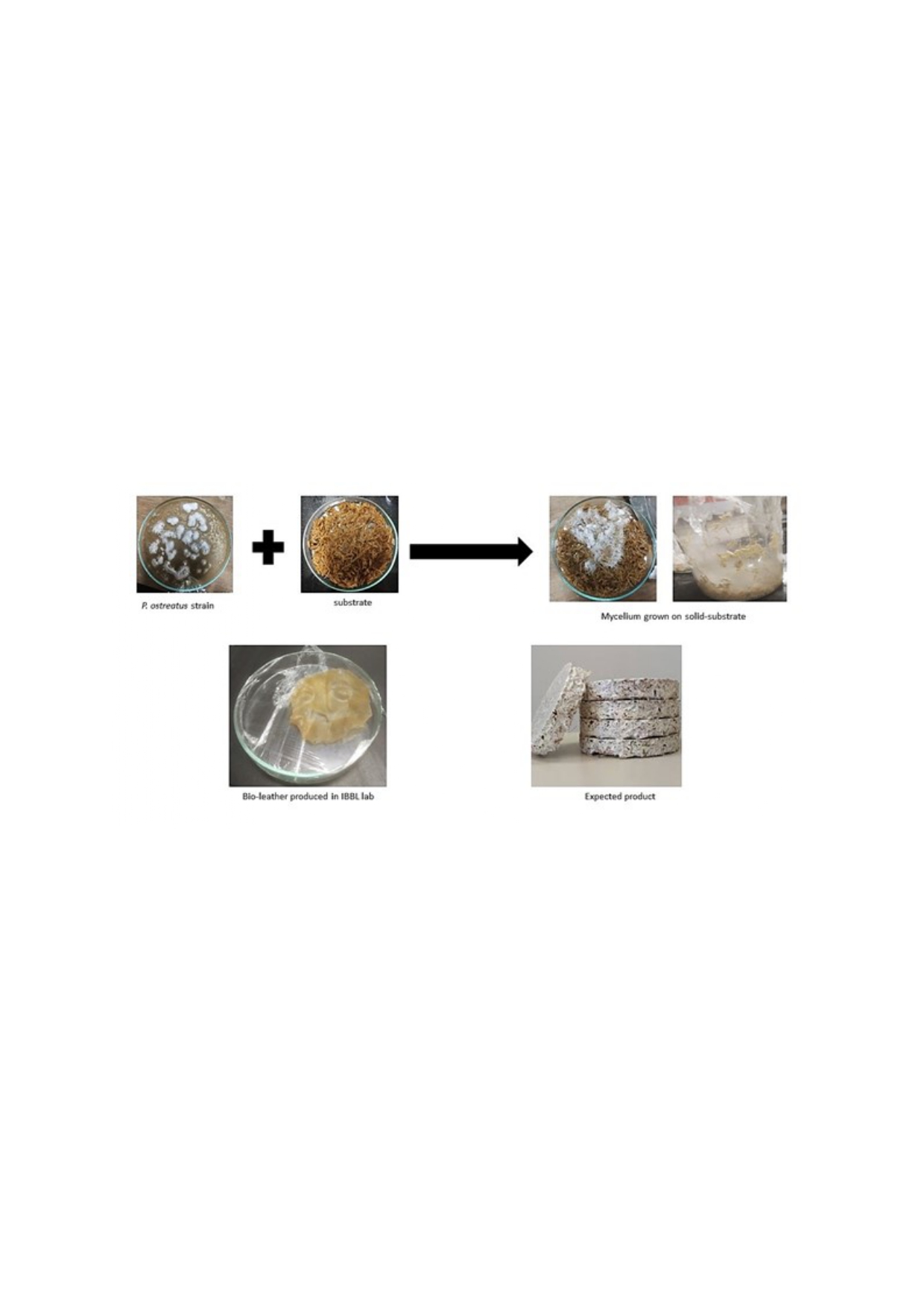
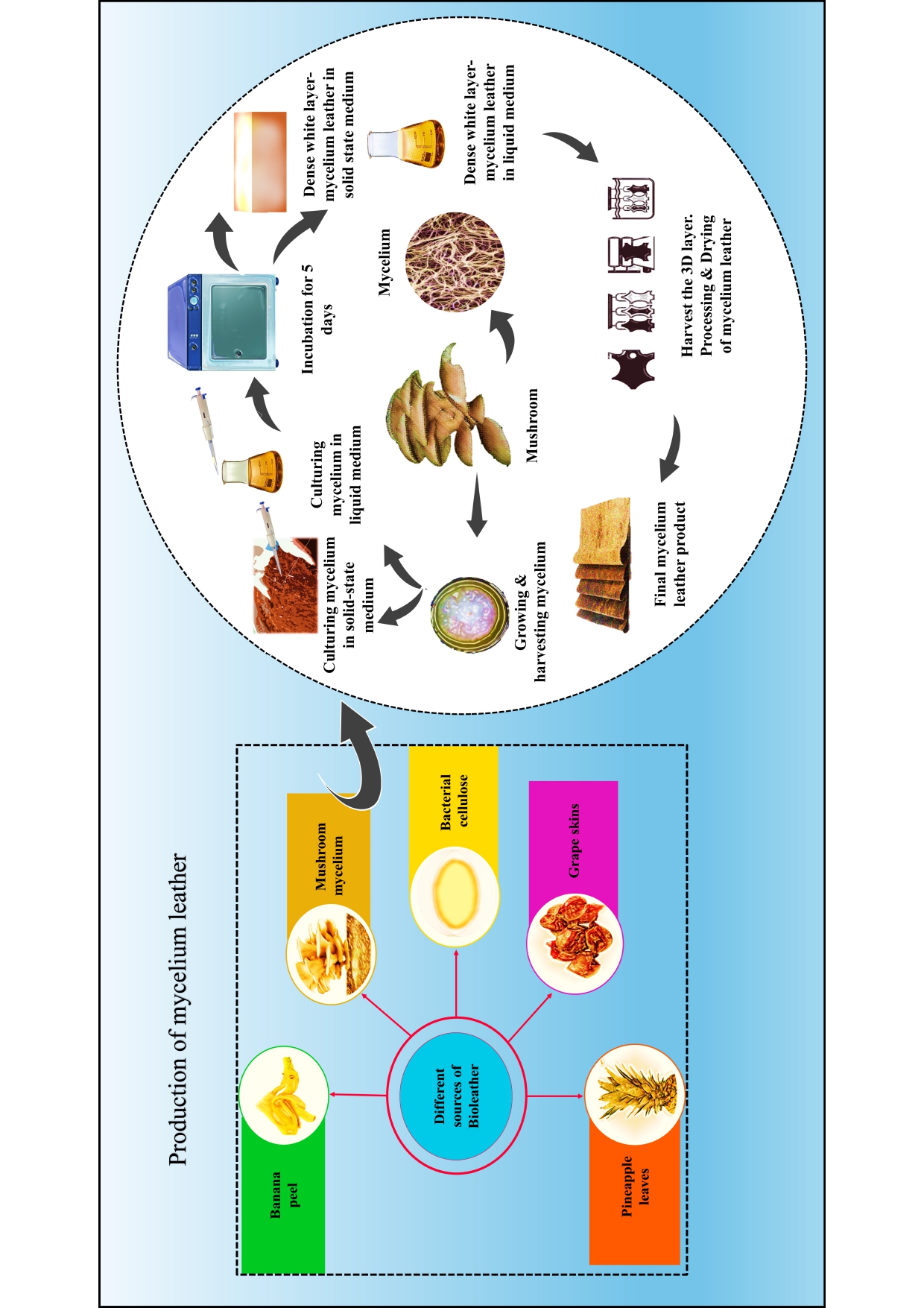
| Executive summary of the proposed project (In 250 words) | The fashion industry's reliance on animal leather poses significant environmental challenges, including deforestation, greenhouse gas emissions, water pollution, and ethical concerns related to animal welfare. The proposed project aims to revolutionize the industry by scaling the production of mycelium-based bio-leather, a sustainable and cruelty-free alternative. Mycelium, the root structure of fungi, offers a renewable and biodegradable material with leather-like properties that can be cultivated and processed using agricultural waste, further reducing the environmental impact. The project will focus on optimizing the cultivation and processing techniques of mycelium to achieve high-quality bio-leather with properties comparable to or superior to animal leather. The establishment of a pilot-scale production facility will demonstrate the feasibility of large-scale manufacturing, paving the way for commercialization. Collaboration with fashion brands and designers will ensure the successful introduction and adoption of myceliumbased bio-leather in the market. The project's impact will be assessed through a comprehensive life cycle assessment, quantifying the environmental benefits compared to traditional leather production. The successful implementation of this project will lead to a significant reduction in the ecological footprint of the fashion industry, promote ethical practices, and stimulate economic growth in the emerging field of bio-based materials. By supporting this project, we can contribute to a more sustainable and responsible future for the fashion industry and the planet. |
| Technology Readiness Level (If not a new project but an advancement of existing know how) | The proposal presents a research endeavor that, while rooted in existing knowledge and techniques, aims to advance the field of bio-based materials significantly. The technology readiness level (TRL) of this proposal can be assessed as being between TRL 3 (Experimental Proof of Concept) and TRL 4 (Technology Validated in Lab). The core concept of utilizing fungal mycelium for creating bio-leather and biocomposites has been demonstrated in previous studies, indicating a proof of concept. The proposal acknowledges this existing knowledge base and aims to build upon it by optimizing production processes, refining material properties, and exploring new applications. The research team's prior expertise in microbial production and biomaterial applications further supports the feasibility of the proposed work.. However, the proposal also highlights the need for further experimentation and development to achieve the desired outcomes. The optimization of growth conditions, substrate composition, and post-treatment processes will require extensive laboratory work to fine-tune the material properties and ensure their suitability for various applications. The scaling up of production from laboratory to pilot scale also presents challenges that need to be addressed. Therefore, while the proposal leverages existing know-how, it ventures into uncharted territory by aiming to create high-performance bio-based materials with tailored properties. The research will involve overcoming technical hurdles and demonstrating the scalability of the production process, thus pushing the technology readiness towards TRL 4 and beyond. The successful completion of this project has the potential to transform the fashion and construction industries by offering sustainable and eco-friendly alternatives to conventional materials. |
| Outomes or Deliverables | • Development of a sustainable and scalable process for producing highquality mycelium-based bioleather. • Reduction in the environmental impact of the fashion industry by offering a cruelty-free and eco-friendly alternative to animal leather. • Creation of new jobs and economic opportunities in the emerging field of bio-based materials. • Enhancement of your company's reputation as a leader in sustainability and innovation. |
| Project aligned with which most relevant UN SDGs | Goal 9 - Industry, Innovation & Infrastructure Goal 12 - Responsible Consumption & Production Goal 13 - Climate Action Goal 15 - Life on Land |
| Duration (In years) | 03 Years |
| Expected Impact | The successful execution of this proposal is expected to yield a multifaceted impact, encompassing environmental, social, and economic dimensions. The development and scaling of mycelium-based bio-leather will significantly reduce the environmental footprint of the fashion industry by offering a sustainable and cruelty-free alternative to animal leather. This will lead to a decrease in deforestation, greenhouse gas emissions, water pollution, and the exploitation of animals. The project will also foster innovation and create new economic opportunities in the emerging field of bio-based materials, generating jobs and promoting sustainable economic growth. Furthermore, by championing ethical and sustainable practices, the company will enhance its reputation and brand image, attracting environmentally conscious consumers and investors. The project's impact will extend beyond the fashion industry, inspiring other sectors to explore and adopt sustainable alternatives, contributing to a greener and more compassionate future. |
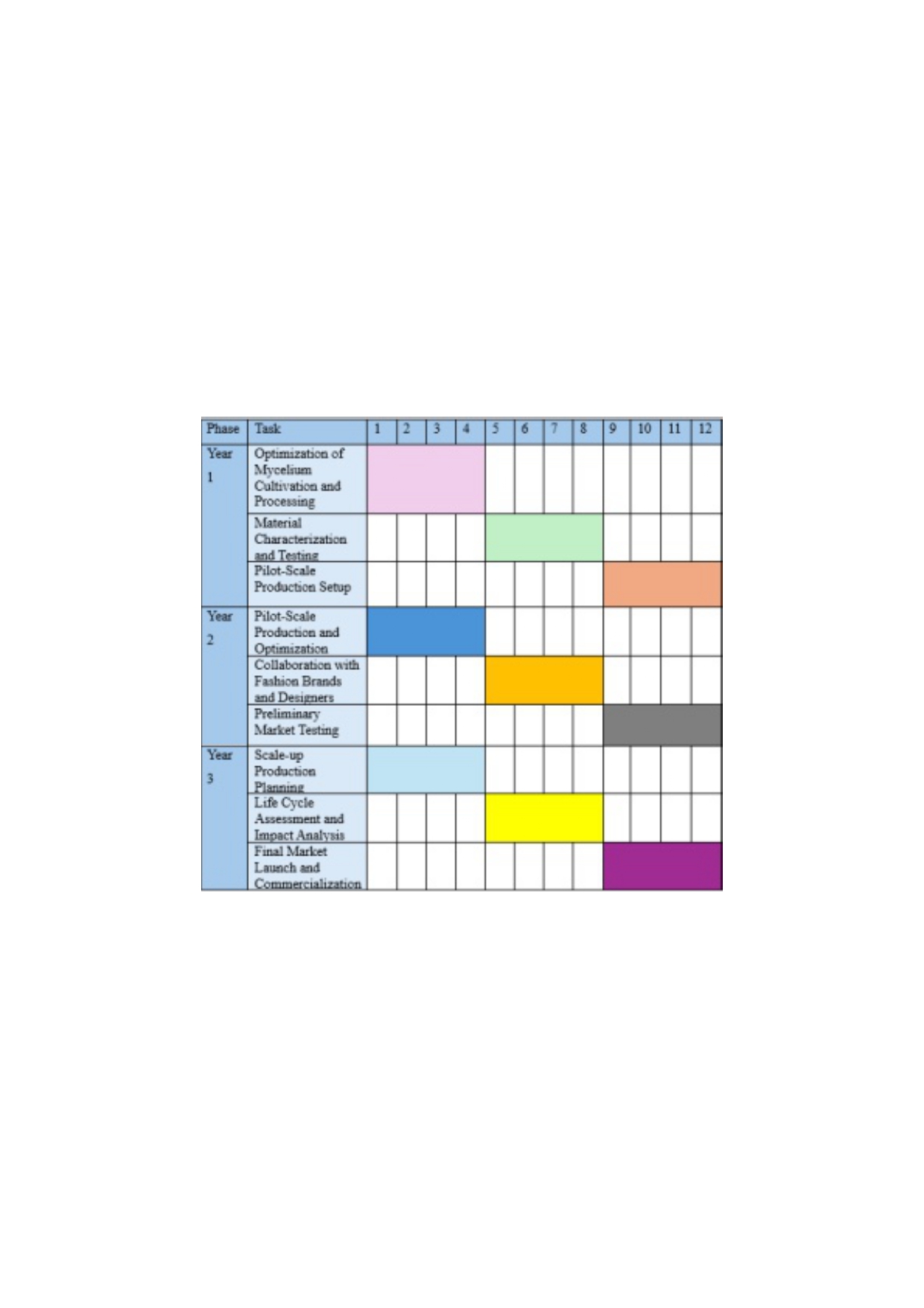
| Implementation model (self- implemented/ outsourced partnership) | The implementation model for this proposal will adopt a phased approach, ensuring efficient resource allocation and progress tracking. The initial phase will prioritize research and development, focusing on optimizing mycelium cultivation and processing techniques to achieve desired material properties. The second phase will involve pilot-scale production, validating the scalability and economic viability of the process. The final phase will focus on commercialization, including collaborations with fashion brands, market testing, and impact assessment. The project will be managed by a dedicated team with expertise in mycology, materials science, and business development. Regular monitoring and evaluation will ensure the project stays on track and delivers tangible outcomes. The phased approach, combined with effective project management, will maximize the chances of success and ensure the timely realization of the project's vision for a sustainable fashion industry. |
| Total Budget (Recurring +Non-Recurring Expenses) | Non-Recurring- 18,00,000 (₹) and Recurring- 19,05,000. Overhead- 4,81,250 (All the expenses for 3 years totally) |